

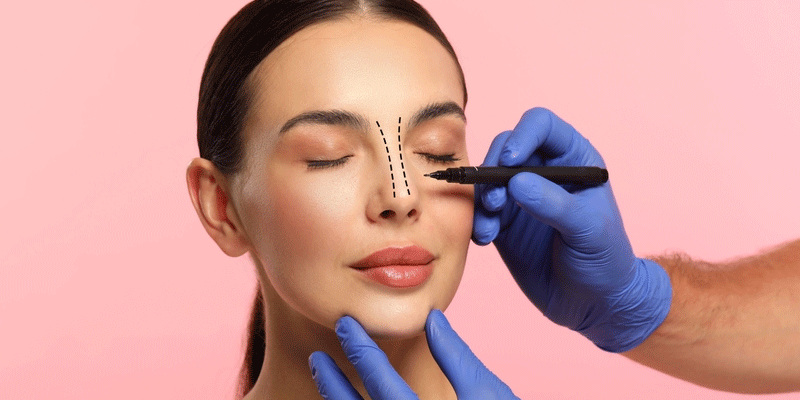
Rhinoplasty is one of the most requested facial procedures for people who want to improve the shape of their nose or correct breathing issues. It is a surgery that can enhance facial harmony, refine the profile, and in many cases improve nasal function at the same time. For that reason, rhinoplasty is not only an aesthetic treatment, but also a procedure that can have functional benefits for many patients.
Many people consider rhinoplasty because they feel their nose does not match the rest of their facial features. Some want to reduce a dorsal hump, refine a wide bridge, reshape the tip, or correct asymmetry. Others seek surgery because they have difficulty breathing due to a deviated septum or other internal structural issues. In both cases, rhinoplasty should always begin with a personalized medical assessment to understand the patient’s anatomy, goals, and expectations.
One of the main advantages of rhinoplasty is that it can create a better balance between the nose and the rest of the face. Since the nose is a central facial feature, even small changes can make a noticeable difference in overall appearance. A well-performed rhinoplasty does not aim to create a nose that looks artificial or disconnected from the patient’s identity. Instead, the goal is usually to achieve a natural result that suits the face and preserves harmony.
There are different types of rhinoplasty depending on the needs of the patient. Cosmetic rhinoplasty focuses on improving the appearance of the nose, while functional rhinoplasty is intended to improve breathing or correct internal problems. In many cases, both goals can be addressed in the same operation. Some patients also seek revision rhinoplasty, which is performed to improve the result of a previous nose surgery. Each case is unique, which is why experience and surgical planning are so important.
The consultation process is a key part of any rhinoplasty journey. During this stage, the surgeon evaluates the nose externally and internally, discusses the patient’s concerns, and explains what can realistically be achieved. This step is essential because a good result depends not only on technical skill, but also on clear communication and realistic expectations. The best rhinoplasty outcomes usually come from a careful balance between what the patient wants and what is surgically appropriate for their facial structure.
Recovery after rhinoplasty varies from one patient to another, but most people can expect swelling, bruising, and temporary discomfort during the first days after surgery. In general, the initial recovery phase is relatively manageable, although the nose can continue to refine over time as swelling gradually disappears. Patients should understand that the final result is not immediate. Rhinoplasty requires patience, and subtle changes may continue for months.
Choosing the right surgeon for rhinoplasty is one of the most important decisions in the process. Since the nose is both a functional and aesthetic structure, this procedure requires precision, experience, and an excellent understanding of facial proportions. Patients should look for a qualified specialist with experience in nasal surgery, natural-looking results, and a personalized approach to treatment.
Another reason why rhinoplasty remains so popular is that it can have a strong emotional impact. Many patients report feeling more confident and comfortable with their appearance after surgery. When the nose is a long-term insecurity, correcting it can positively affect self-image and social confidence. However, it is also important to approach the procedure with healthy expectations and to understand that rhinoplasty should enhance natural features, not completely change identity as say clinic rinoplastia barcelona
Today, rhinoplasty continues to be one of the most sought-after procedures in facial aesthetics because it combines precision, artistry, and function. Whether someone wants to improve the appearance of their nose, correct a structural issue, or achieve both goals at once, this surgery offers a highly personalized solution when performed by the right specialist.
In summary, rhinoplasty is a procedure designed to improve the balance, shape, and function of the nose in a way that suits each individual face. With proper planning, expert surgical care, and realistic expectations, it can deliver long-lasting and highly satisfying results for the right candidate.