

Key Takeaways
- Modern anaesthetics ensure that the procedure feels no different from a standard dental filling.
- Saving your natural tooth prevents the need for more expensive and invasive implants or bridges.
- Accessing care in a central medical hub ensures the use of high-resolution imaging and sterile techniques.
Introduction
Persistent tooth pain or sharp sensitivity signals that an infection has progressed beyond the enamel and into the inner pulp. Although many people hesitate when they hear the term root canal treatment, dentists use this procedure to remove infection and save the natural tooth rather than extract it. Visiting a dentist in Novena places you within a well-established medical district where clinicians rely on detailed imaging to examine root structure and surrounding tissue. Current methods prioritise effective anaesthesia and careful cleaning of the canals, which makes the process more controlled than outdated perceptions suggest. Treating the source of inflammation allows you to retain your tooth and restore normal chewing function. Individuals can reduce their uncertainty when they understand what happens during every stage of treatment.
1. Thorough Assessment and Precise Diagnosis
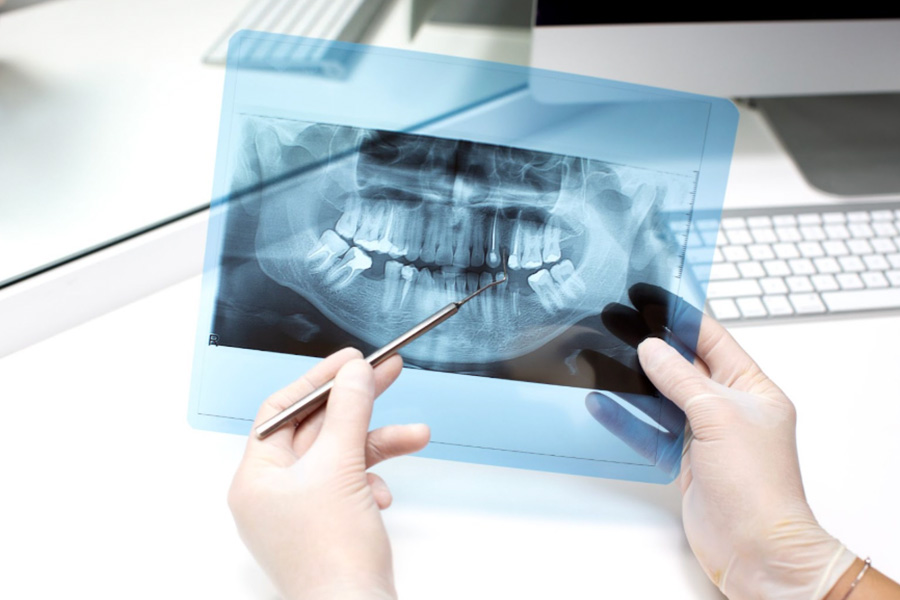
The process begins with a detailed examination to determine if the internal tissues of your tooth are indeed beyond self-repair. Your dentist in Novena will typically take digital X-rays to map the shape of the root canals and check for signs of infection in the surrounding bone. This imaging allows the clinician to see exactly where the inflammation lies, ensuring they do not perform unnecessary work. During this stage, you discuss your symptoms, such as sensitivity to heat or swelling in the gums, to help the team understand the extent of the issue. A professional root canal treatment relies on this initial accuracy to ensure the success of the subsequent cleaning. By identifying the problem early, the dental team prevents the infection from spreading further into the jawline.
2. Managing Comfort with Local Anaesthesia
Modern dentistry prioritises a painless experience, and the first step of the actual procedure involves numbing the affected area. Your dentist in Novena applies a potent local anaesthetic, ensuring you feel nothing but a bit of pressure throughout the session. Many patients find that the sensation is quite similar to having a standard cavity filled, dispelling the old notion that the process is inherently painful. Once the tooth and the surrounding tissues are numb, the team places a protective rubber sheet, known as a dam, around the tooth. This keeps the area dry and isolated from saliva, which is crucial for maintaining a sterile environment during a root canal treatment.
3. Deep Cleaning and Disinfection of the Canals
Once the tooth is accessible and the patient is comfortable, the specialist begins the delicate task of removing the damaged pulp. Using specialised, fine instruments, the dentist in Novena clears away the infected nerves and blood vessels from inside the narrow channels of the root. This step is the core of a root canal treatment, as it eliminates the source of the persistent ache that brought you to the clinic. After removing the pulp, the clinician uses disinfecting solutions to flush out any remaining bacteria and debris from the canals. The team then reshapes these tiny tunnels to prepare them for the filling material that will seal the tooth.
4. Sealing the Tooth Against Future Decay
After the canals are thoroughly cleaned and dried, the clinician fills the space with a biocompatible material called gutta-percha. This rubber-like substance, combined with an adhesive cement, ensures that the root canals are completely sealed off from the rest of the mouth. A high-standard root canal treatment prevents any new bacteria from entering the internal chambers of the tooth. In some cases, your dentist in Novena might place a temporary filling to close the opening while the tooth heals. If the infection was particularly severe, they may also apply medication inside the tooth and wait a week before finalising the seal.
5. Final Restoration with a Protective Crown
The final stage of the journey involves restoring the tooth’s outward strength and appearance so it can withstand the forces of chewing. Because a tooth becomes more brittle after a root canal treatment, it usually requires a permanent crown to protect it from fracturing. Your dentist in Novena will take an impression of your tooth to create a custom-fitted cap that matches the colour and shape of your surrounding teeth. Once the crown is bonded into place, the tooth looks and feels exactly like its neighbours, allowing you to eat and speak without any self-consciousness. Completing this last step ensures that all the work done inside the tooth remains protected from the pressures of daily use.
Conclusion
Individuals can reframe root canal treatment as a method of resolving pain when they fully understand endodontic care. Replacing ongoing discomfort with a clear clinical plan restores stability to your oral health. Seeking treatment from a dentist in Novena connects you with structured care and careful follow-up that supports recovery, along with consistent post-procedure attention, which helps maintain strength and function in the treated tooth. Addressing infection directly protects your bite and supports long-term dental health.
Visit Happy Teeth Family Dental to learn more about root canal treatments for your needs.