

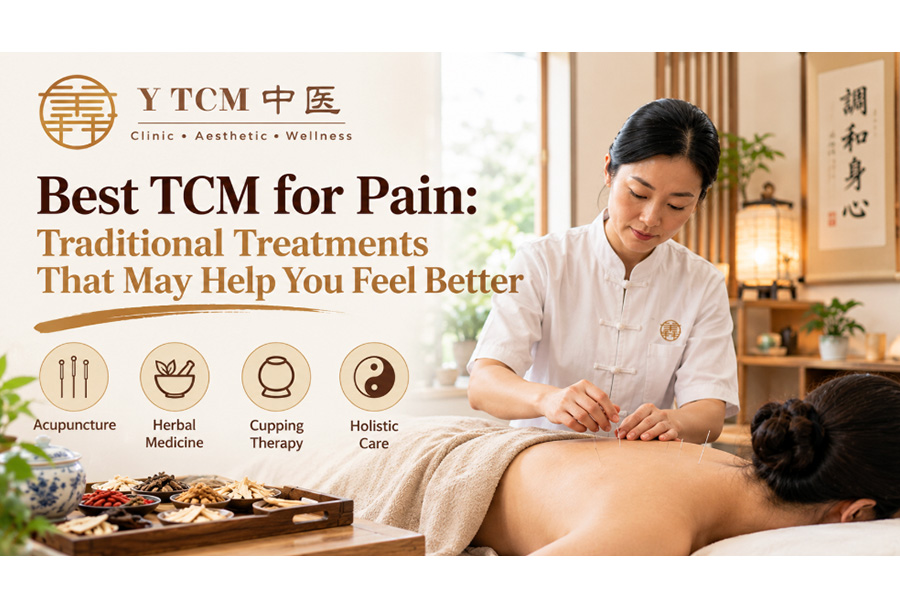
Pain makes it more difficult to do things as normal. Whether it be a sore back, stiff neck, or if your knee is aching and this may limit your movement! For you to find the best TCM for pain, which may be one of the options for relief alongside medical care.
This adaptation of centuries-old techniques from Traditional Chinese Medicine (TCM) employs acupuncture, cupping, therapeutic massage, and gentle movement. These methods are meant for different things. What the best option is for you depends on your symptoms and health history, as well as what you are looking to get out of treatment.
So, Which One to Use TCM Treatments?
One treatment does not work for everybody. These usual options can ease common myofascial pain.
Acupuncture for Ongoing Pain
Acupuncture uses very thin needles insert into your body at particular points. Studies show that it can help patients with chronic back pain, neck pain, knee osteoarthritis, and some types of headaches.
A trained professional can evaluate your symptoms and identify if acupuncture may be appropriate for you. Make sure your provider uses one-time-use sterile needles.
Cupping for Muscle Soreness
Cupping therapy creates suction on the skin by placing cups. It is chosen by others to combat muscle stiffness and aches.
Cupping has very limited research. If used improperly, it can lead to bruising, skin irritation, or burns. Inquire with a practitioner before the treatment about that risk.
TCM Massage for Stiff Muscles
Tui Na is a standard type of Chinese massage. It is a therapeutic method that uses hand movements to target and improve muscles, joints, and other areas through pressing, kneading, stimulation. This could be beneficial for some in relieving tension and increasing comfort.
Recent injury, severe swelling, or some medical conditions(cardiac) should be seen by a doctor before massage.
How to Select the Right One for Your Requirements?
In general, when considering which the best TCM for pain there are three important aspects to think about:
Your condition:
Back pain, joint pain, and sore muscles may require different care.
Practitioner training:
Confirm credentials, experience, and licensing requirements in your state.
Treatment safety:
Information on potential side effects, treatment cost per session, and the duration of suggested treatment − all need to be clarified.
The details of each are explained by your trusted practitioner, who is educated in your past medical history. Beware of anyone promising a miracle cure.
So, How Does TCM Work with Modern Medicine?
Yes. In a few cases, TCM might supplement exercise, physical treatment, and even prescribed medications. Most chronic staffed sufferers might benefit from a proper designed kit of exercises and acupuncture.
However, TCM must not substitute for a medical diagnosis or treatment when warranted. Be sure to advise your doctor if you decide to experiment with treatments. Read cautiously on the herbal merchandise, some could have interactions with medicines.
Discover a So Much Safer Process of Pain Relief
The ideal TCM for pain is one that works to address your condition, allows you to function in daily life, and remains part of a safe care plan. First step first, talk to a health care professional. And then experience relevant treatments under the guidance of a trained TCM practitioner. The more you do this carefully, the easier it will rise naturally and allow you to make choices along with realistic intentions of how you can reduce pain.