

Key Takeaways
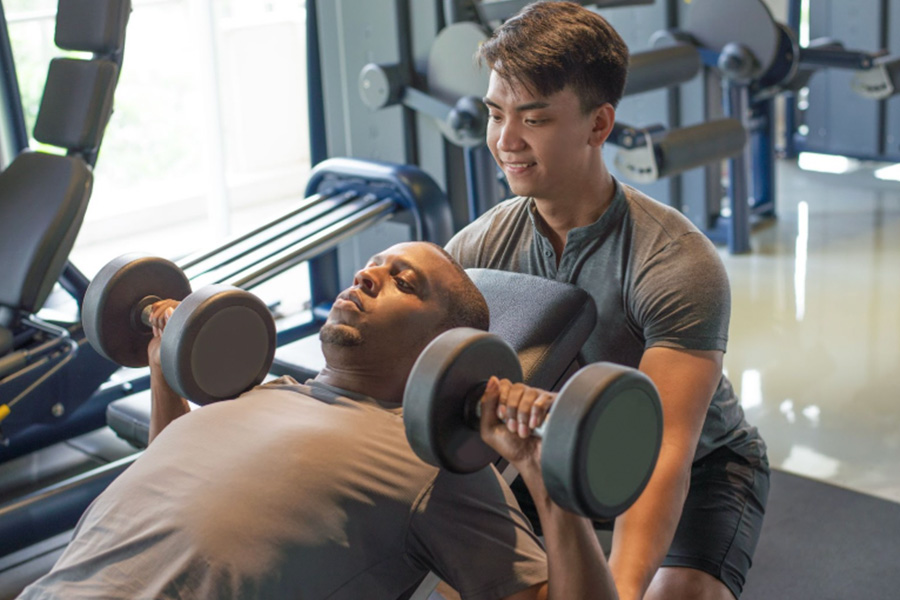
- A personal instructor in the gym helps reduce injury risk by correcting form and pacing workouts properly.
- Personal training in gyms adds structure, accountability, and clear progression.
- Tailored coaching supports confidence, especially for beginners or those returning after a break.
- Safer workouts often lead to better consistency and longer-term results.
Introduction
Walking into a gym can feel a bit like stepping into a busy hawker centre at lunchtime. Machines everywhere, people who seem to know exactly what they are doing, and a quiet worry about whether that movement looks right. Many gym-goers push through anyway, hoping effort alone will carry them. That is where guidance makes a real difference.
A personal instructor in the gym brings clarity to what can otherwise feel chaotic. Beyond motivation, the real value lies in safety, technique, and smarter progress. For Singaporeans balancing long workdays, family time, and the occasional evening workout, efficiency matters just as much as effort.
Why Form Matters More Than Heavier Weights
Lifting heavier often feels like progress. It looks impressive too. Yet poor form quietly chips away at joints and muscles, especially in high-rep routines or rushed sessions after work. A slight knee collapse in a squat or rounded shoulders during rows can build into discomfort over time.
Personal training in gyms focuses on these details early. Trainers spot issues that mirrors miss and friends overlook. They cue breathing, posture, and tempo, turning each movement into something safer and more controlled. Over weeks, that attention often means fewer aches and fewer skipped sessions due to strain.
There is also a mental shift. When movement feels stable, confidence follows. People train with less hesitation and more intent.
Custom Workouts That Fit Real Life
Generic programmes rarely account for real schedules. Some days are rushed. Some days, energy is low. A good trainer adjusts on the spot, swapping movements or tweaking intensity without derailing progress.
A personal instructor in the gym builds sessions around actual needs, not textbook ideals. Office workers with tight hips, parents easing back after a long break, or runners looking to add strength without bulk all require different approaches. That kind of tailoring keeps workouts relevant, which helps people stay committed to them.
Interestingly, personalised plans often feel simpler. Fewer exercises, clearer goals, less wandering between machines. That simplicity is not accidental.
Safety Is Also About Recovery
Training safely is not only about what happens during the workout. It includes rest, mobility, and knowing when to pull back. Many gym injuries happen because people push through fatigue or repeat the same pattern too often.
Personal training in gyms usually weaves recovery into the plan. Short mobility drills, lighter sessions after intense weeks, or reminders to sleep and hydrate better all play a role. It sounds basic, yet these habits often get lost without guidance.
Singapore’s humid climate adds another layer. Dehydration and poor recovery show up faster here. Trainers who understand local conditions tend to programme with that in mind.
Accountability Without Pressure
There is a fine line between encouragement and pressure. Good trainers walk it well. Sessions feel purposeful, but not punishing. Missed workouts are discussed, not judged.
A personal instructor in the gym provides a steady rhythm. Someone notices progress, asks questions, and adjusts expectations when life gets busy. That human element often keeps people training long after motivation dips.
It also helps newer gym-goers avoid copying random routines from social media, which can look exciting but lack context.
Better Results Through Smarter Progression
Progress does not always mean adding more weight. Sometimes it means cleaner reps, better balance, or improved endurance. Trainers track these quieter wins.
Personal training in gyms tends to emphasise gradual progression. Loads increase when the technique holds up. Volume changes when recovery allows. Over time, this approach often leads to stronger results with fewer setbacks.
Slower progress often feels faster in the long run. Fewer injuries, fewer restarts, more consistency.
Conclusion
Gyms are full of potential, but potential needs direction. A personal instructor in the gym turns guesswork into clear action, helping workouts feel safer, more focused, and more effective. Through proper form, tailored plans, and steady accountability, training becomes something that fits into life rather than fighting against it.
For those considering personal training in gyms, reaching out to a trusted provider can be the first step towards safer sessions and better results. Contact Vigeo Health & Fitness today to explore personalised coaching that supports long-term fitness goals.