

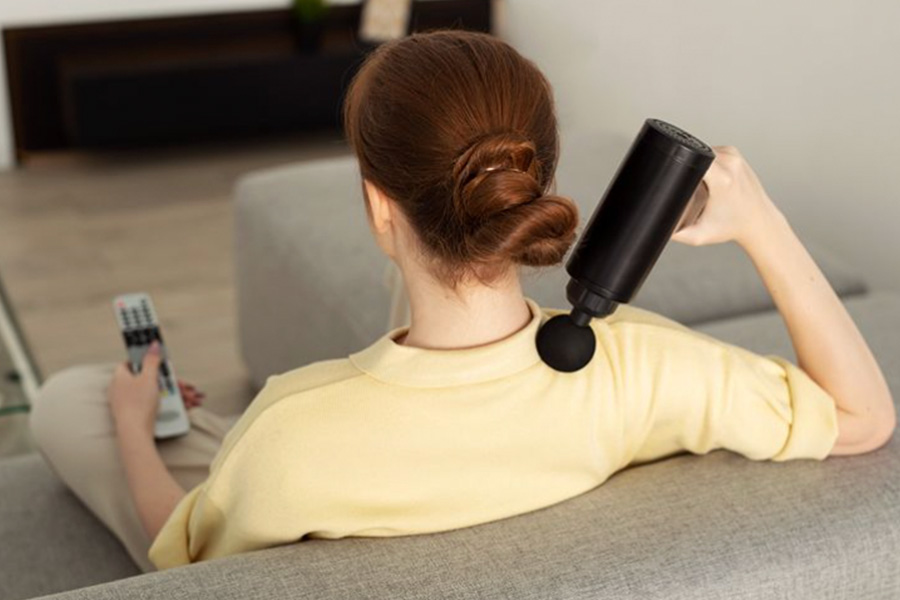
Tension rarely announces itself. It creeps in during long computer sessions, calm afternoons on the couch, or after a hectic commute. Many people resort to home massage equipment for relief, hoping to find comfort without breaking their normal routine. A shoulder and neck massager may seem enticing at first appearance, but expectations must be set before pushing the power button. Understanding how these devices fit into everyday habits makes the experience far more rewarding. Before relying on a massager for muscle relief, consider the following things.
Your Muscle Tension Has a Pattern, Not a Personality
Soreness around the shoulders and neck tends to follow habits rather than bad luck. Slouching, leaning forward during work, or staying still for extended periods places strain on specific muscle groups. A shoulder and neck massager works best when its movement aligns with these tension paths.
Instead of treating the device as a quick fix, notice where stiffness gathers. Some users need slow pressure near the base of the neck, while others respond better to broader contact across the upper back. This awareness helps the massager support your body rather than overwhelm it.
This is where people begin comparing tools in search of the best massager for sore muscles. The phrase itself can mislead. Comfort depends on matching pressure style to your posture habits, not chasing aggressive intensity. A shoulder and neck massager should feel supportive, not like it is wrestling your spine.
Pressure Strength Matters More Than Clever Features
Modern massage devices come with switches, modes, and settings that sound impressive. None of those matters if the pressure feels wrong for your muscles. Some shoulders respond poorly to deep kneading, especially after a long day. Gentle rhythmic motion may ease stiffness more effectively.
A shoulder and neck massager should allow you to control intensity with ease. If you find yourself tensing up while using it, the pressure is working against relaxation. The best massager for sore muscles is one that encourages slow breathing rather than clenched teeth.
Midway through use, pause and reassess how your body reacts. A good sign is warmth spreading through the muscles without sharp discomfort. That reaction suggests circulation support rather than forced compression. A shoulder and neck massager used this way becomes part of a calming routine instead of a battle with pain.
Time and Posture Affect the Outcome
Using a massager while hunched forward or lying awkwardly reduces its benefit. Positioning plays a quiet yet powerful role. Sitting upright with feet grounded allows the shoulder and neck massager to settle naturally against tense areas.
Short sessions tend to work better than extended ones. Five to ten minutes can provide relief without irritating sensitive spots. Many people assume more time equals better results, which leads to soreness the next day. The best massager for sore muscles supports consistency rather than endurance.
Try pairing use with a pause in your day. A brief break from screens or a moment of stillness after work helps the muscles accept relief. A shoulder and neck massager complements this pause by reinforcing rest rather than replacing it.
Expectations Influence Satisfaction
Massage devices support comfort, yet they do not replace movement, stretching, or posture awareness. Expecting a shoulder and neck massager to erase every ache creates frustration. Expecting it to assist recovery leads to steadier results.
The best massager for sore muscles fits into a wider self-care picture. Light stretches before or after use can enhance the effect. Staying hydrated also helps muscles respond better to pressure. These small habits matter more than chasing intensity.
Over time, many users notice improved awareness of how tension builds. That awareness itself reduces strain. A shoulder and neck massager becomes a reminder to slow down, adjust posture, and respect physical limits.
A shoulder and neck massager works best when used with intention rather than impulse. Understanding your tension patterns, choosing comfortable pressure, paying attention to posture, and setting realistic expectations all shape the experience. The best massager for sore muscles supports calm relief instead of forcing change. When treated as a supportive tool rather than a cure, it can quietly enhance daily comfort.
Contact OTO Wellness to explore options that suit your daily routine and muscle care needs.