

Key Highlights
- FUE involves extracting individual follicles for a more natural-looking result.
- The procedure is minimally invasive, with a relatively quick initial healing phase.
- Patients often experience shock loss where transplanted hair falls out before permanent growth begins.
- Full results are typically visible 12 to 18 months after the initial surgery.
Introduction
Hair loss can be a significant source of anxiety for many, affecting self-confidence and personal image. Fortunately, modern medical advancements have made permanent hair restoration more accessible and effective than ever. The FUE hair transplant (Follicular Unit Excision) has become the gold standard in the industry due to its ability to provide natural-looking results without the linear scarring associated with older methods. However, many patients feel hesitant because they are unsure of what the process actually entails. Understanding the stages of the procedure and the subsequent recovery timeline is essential for managing expectations and ensuring a successful outcome for your hair restoration journey.
1. The Extraction and Implantation Phase
The first stage of an FUE hair transplant is the actual procedure day, which typically takes several hours depending on the number of grafts required. After numbing the area with a local anaesthetic, the surgeon uses a specialised micro-punch tool to extract individual hair follicles from the donor area, usually at the back or sides of the head. These follicles are then meticulously sorted and prepared for implantation. The surgeon creates tiny incisions in the thinning or bald areas, carefully considering the angle and density to mimic natural hair growth patterns. Because the follicles are moved one by one, the result is much more seamless than traditional plugs or strip methods.
2. Initial Healing and Crust Formation
In the first week following the FUE hair transplant, the focus is entirely on protection and healing. Small crusts or scabs will form at the site of each transplanted graft. This is a normal part of the body’s healing process and should not be disturbed. Patients are usually advised to sleep in an upright position and avoid strenuous exercise to prevent swelling. Most clinics provide a specific washing routine to keep the area clean without dislodging the delicate new grafts. By the end of day ten, the scabs typically fall off naturally, and the donor area begins to look significantly more healed, with only tiny red dots remaining that gradually fade.
3. The Shock Loss and Dormancy Stage
One of the most surprising stages for many patients occurs between two and eight weeks after the procedure. This is known as shock loss, where the newly transplanted hair shafts fall out. It is important to understand that this is a temporary and expected part of the cycle; the hair follicles themselves remain healthy and alive under the skin. During this period, the area may look much like it did before the hair transplant surgery in Singapore, which can be discouraging if you aren’t prepared for it. The follicles are simply entering a resting phase as they settle into their new location and prepare for a new growth cycle.
4. Permanent Growth and Final Results
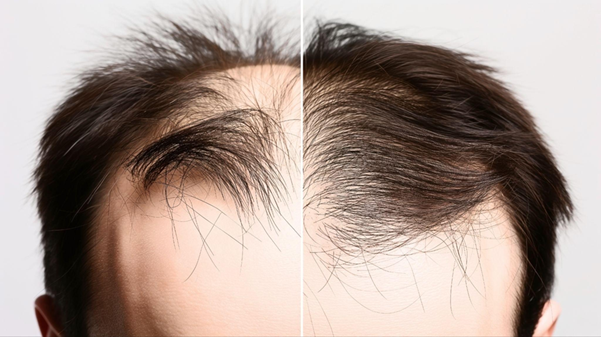
Patience is key during the final stage of the FUE hair transplant timeline. From the third or fourth month onwards, new, fine hairs will begin to emerge from the scalp. Initially, these hairs may be thin or slightly curly, but they will gradually thicken and straighten as they mature. By the six-month mark, most patients see a noticeable improvement in coverage. However, the final density and texture of the hair are usually not achieved until 12 to 18 months after the procedure. Once fully grown, these hairs are permanent and can be cut, styled, and treated just like your original hair, providing a long-term solution to hair loss.
Conclusion
An FUE hair transplant is a journey that requires both medical precision and patient patience. By breaking down the process into clear stages, from the meticulous extraction to the final reveal of thick, natural hair, individuals can approach the procedure with confidence. While the recovery timeline spans over a year, the results are life-changing and provide a permanent boost to one’s appearance. The key to success lies in following post-operative care instructions and choosing a skilled surgical team. With the right approach, the transition from thinning hair to a fuller head of hair is a manageable and rewarding experience that restores both hair and self-assurance.
Regain your confidence and achieve a fuller head of hair with the experts at Veritas Medical Aesthetics. Contact us to learn more about our advanced FUE hair transplant techniques and start your restoration journey today.