

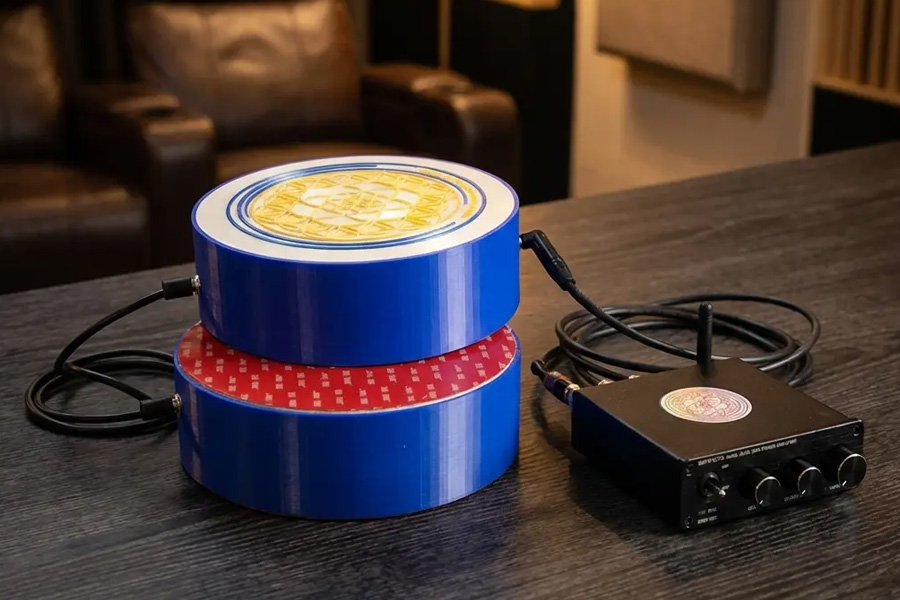
Vibroacoustic stimulation is a non-invasive method that promotes different therapeutic effects in the body by using both physical vibrations and audible sound waves. This method delivers sound waves directly to a person by converting them into mechanical vibrations. This approach, which has emerged as a supplementary modality, uses the body’s innate sensitivity to touch and sound to affect physiological reactions through sensory input.
Vibroacoustic Stimulation’s Scientific Basis
The idea behind vibroacoustic stimulation is that low-frequency sound waves—between 20 and 1,000 Hz—transform into tactile vibrations. To produce these vibrations, equipment like the one from Vibroacoustic Solutions incorporates specialized speakers known as transducers. The human body then experiences these mechanical vibrations.
Resonance, in which tissues and organs resonate sympathetically with the applied frequencies, is how the body reacts to these stimuli. It is believed that some regions of the human body resonate with different frequencies, which may increase cellular activity and encourage relaxation.
Therapeutic Uses
There are many different therapeutic uses for vibroacoustic stimulation. By reducing muscular tension and encouraging relaxation, it has potential for treating both acute and chronic pain, including fibromyalgia. Regular sessions help many people feel less uncomfortable and have more movement.
Additionally, vibroacoustic therapy reduces anxiety and tension. It can counteract the body’s fight-or-flight reaction by lowering blood pressure and heart rate and encouraging a relaxed state. The quality of sleep is frequently enhanced by this soothing impact.
Vibroacoustic stimulation may help with some neurological and developmental disorders in addition to managing pain and stress. It has been investigated in relation to Parkinson’s disease and may help with symptom control. It might help people with autism spectrum conditions to relax and regulate their senses.
Delivery Methods
Specialized equipment is used to offer vibroacoustic stimulation. Beds, chairs, mats, and pillows with built-in speakers or transducers are examples of common devices. When the user is in a comfortable, reclined position, these gadgets enable the body to directly receive the vibratory stimulus.
Additionally, some practitioners may apply localized vibrations to particular body parts using portable instruments like singing bowls or tuning forks. This makes it possible to apply the therapy in a more focused manner. To optimize therapeutic effects, a steady and regulated vibratory experience is the aim.